


Marlborough and a contested war
New Zealand entered the Vietnam conflict cautiously, balancing doubts about intervention against the importance it placed on its American alliance. The war pitted communist North Vietnam against the United States-backed government of South Vietnam. For New Zealand, participation reflected closer defence ties with Australia and the United States and a policy of ‘forward defence’, intended to keep communist expansion away from its shores. The government feared that refusing assistance might weaken ANZUS, but also questioned whether outside intervention could succeed and worried about a wider war involving China.1 Its first contribution was medical rather than combat: a civilian surgical team arrived in 1963, followed in June 1964 by a 25-strong army engineer detachment undertaking reconstruction work.2
The military commitment grew in July 1965 when an artillery battery replaced the engineers. Infantry companies, a services medical team and an SAS troop followed as New Zealand’s involvement expanded.2 Those who served were regular personnel or people who enlisted in the Regular Force to join V Force, New Zealand’s military contingent in Vietnam; New Zealand did not introduce conscription for Vietnam.1 They came from both town and country, and some had already gained jungle experience in Malaya and Borneo. Around 35 per cent were Māori. The force combined career servicemen with men who joined specifically to take part in the conflict, bringing different backgrounds into the same overseas commitment.2
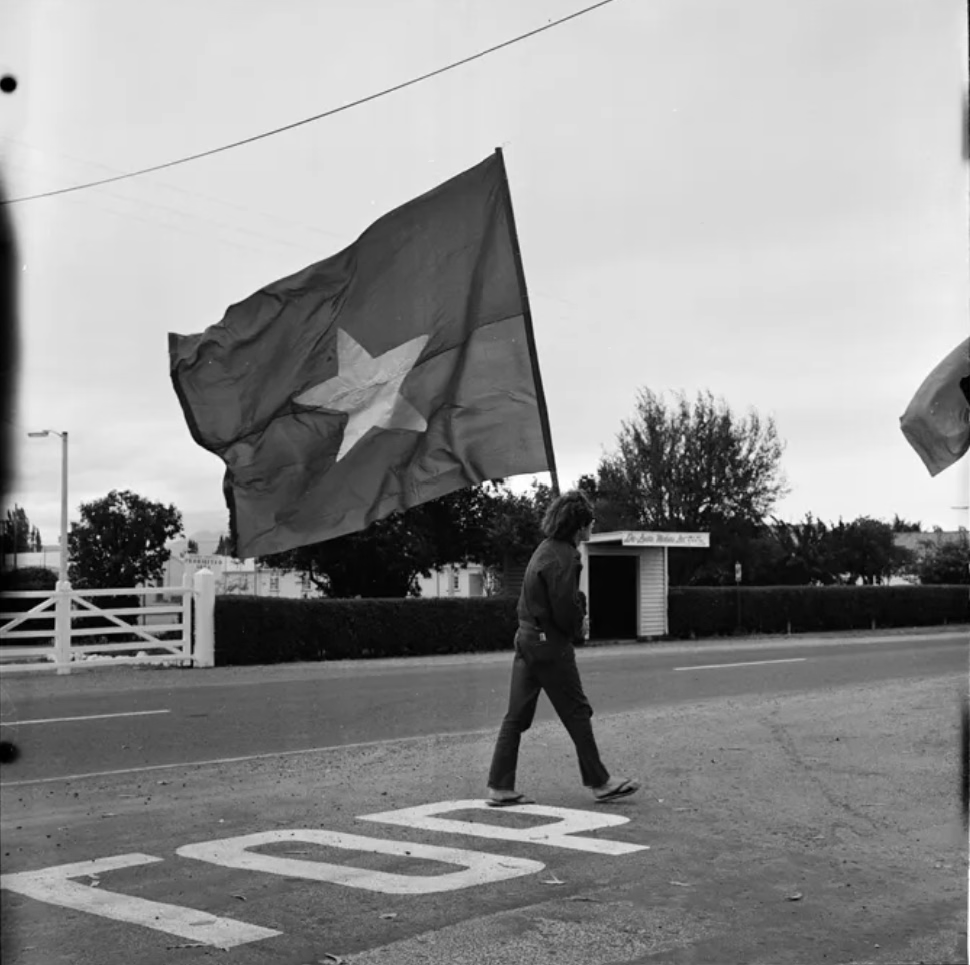
In Marlborough, the dispute over American military involvement reached Woodbourne. Peace activist groups demonstrated against Project Longbank there on 30 and 31 January 1971. The United States Air Force installation operated at RNZAF Base Woodbourne from around 1962 until about May 1973. Appeals for the demonstrations came from organisations including the Christchurch and Wellington Progressive Youth Movements and the Citizens Vietnam Action Committee.6 The local protest belonged to a wider debate about New Zealand’s relationship with the United States. Opponents challenged American bombing and its effects on civilians, questioned the threat communism posed to New Zealand and called for a more independent foreign policy. Thousands joined demonstrations around the country between 1967 and 1971.5
Military service and civilian medical aid
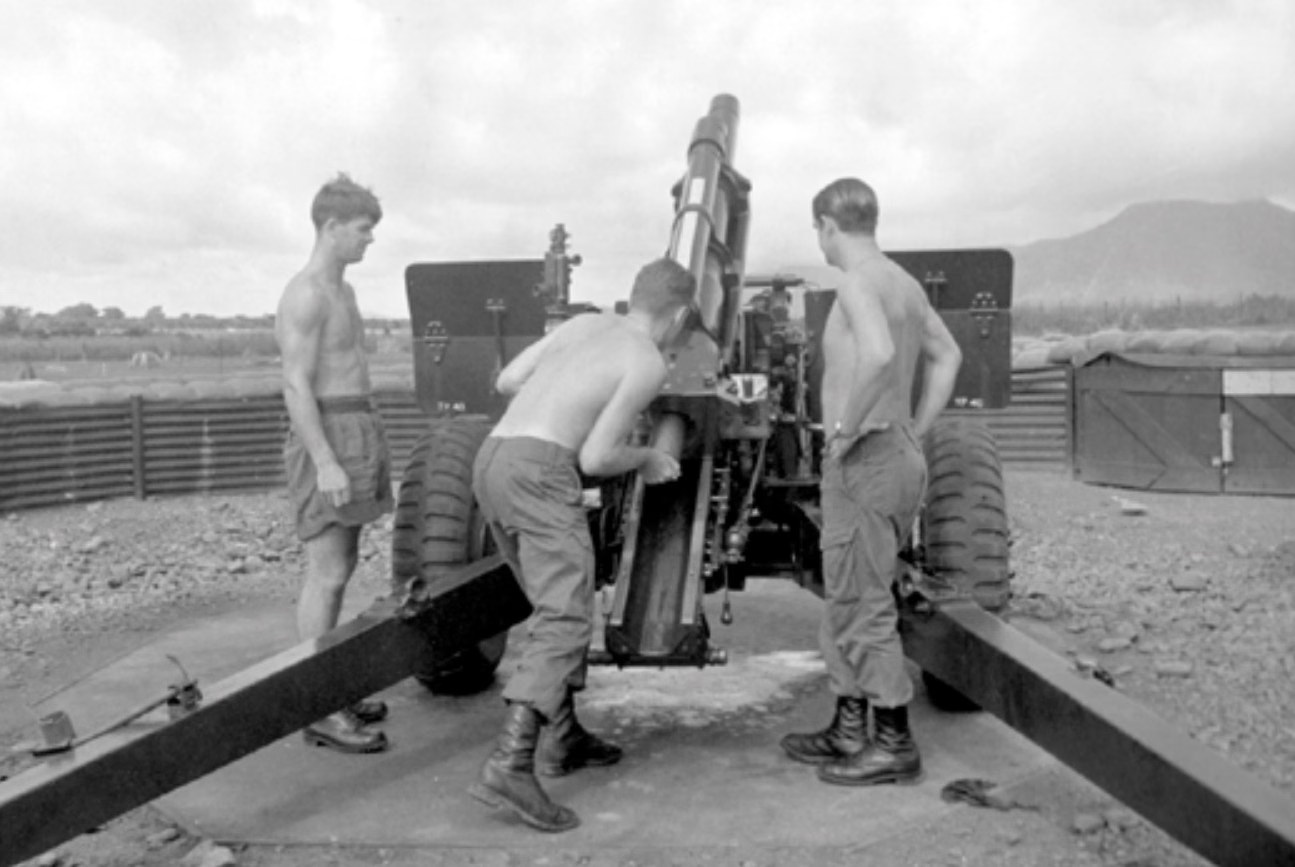
The first New Zealand combat unit to fire in Vietnam was 161 Battery, Royal New Zealand Artillery, which went into action near Saigon on 16 July 1965. Initially attached to the American 173rd Airborne Brigade, it later served with the 1st Australian Task Force at Nui Dat. Its gunners fought at Long Tan in 1966 and in the Coral and Balmoral operations in 1968. Infantry followed from Malaysia: Victor Company arrived in May 1967 and Whisky Company in December. In March 1968, the New Zealand infantry joined the 2nd Battalion, Royal Australian Regiment, in an Anzac battalion. Jungle patrols, ambushes and cordon-and-search operations occupied the rotating rifle companies, while SAS personnel carried out reconnaissance and intelligence-gathering patrols.3
The national military presence reached its peak of 548 in 1968. Across New Zealand’s involvement, 37 men died on active service and 187 were wounded; two civilians serving with the surgical and Red Cross teams also died.1 Air and medical personnel served alongside the ground forces. RNZAF pilots flew Iroquois helicopters with No. 9 Squadron of the Royal Australian Air Force, while others worked as forward air controllers with the United States Air Force.3 Army nurses at the Australian field hospital in Vung Tau treated illness and wounded soldiers brought in from operations. Within infantry companies, medics provided routine and preventative care and accompanied patrols to treat casualties awaiting evacuation.4
Civilian medical work had begun two years before the combat deployment. At Binh Dinh Provincial Hospital in Qui Nhon, the New Zealand surgical team treated Vietnamese war and accident casualties and trained local medical and nursing staff. The team grew from six people to fourteen in 1966. A separate military medical commitment began at Bong Son in 1967, where the 1st New Zealand Services Medical Team brought together personnel from the Army, Navy and Air Force. It treated civilian patients and trained nursing staff until its withdrawal in 1971. Aid also extended beyond the hospitals. The New Zealand Red Cross and Save the Children worked in South Vietnam between 1968 and 1975, while church and faith-based groups supported child welfare and distributed clothing and food. The civilian surgical team remained until evacuation in March 1975, long after the main combat force had left.4 RNZAF transport aircraft likewise continued supporting medical and humanitarian work through to April 1975.3
Homecoming, recognition and remembrance
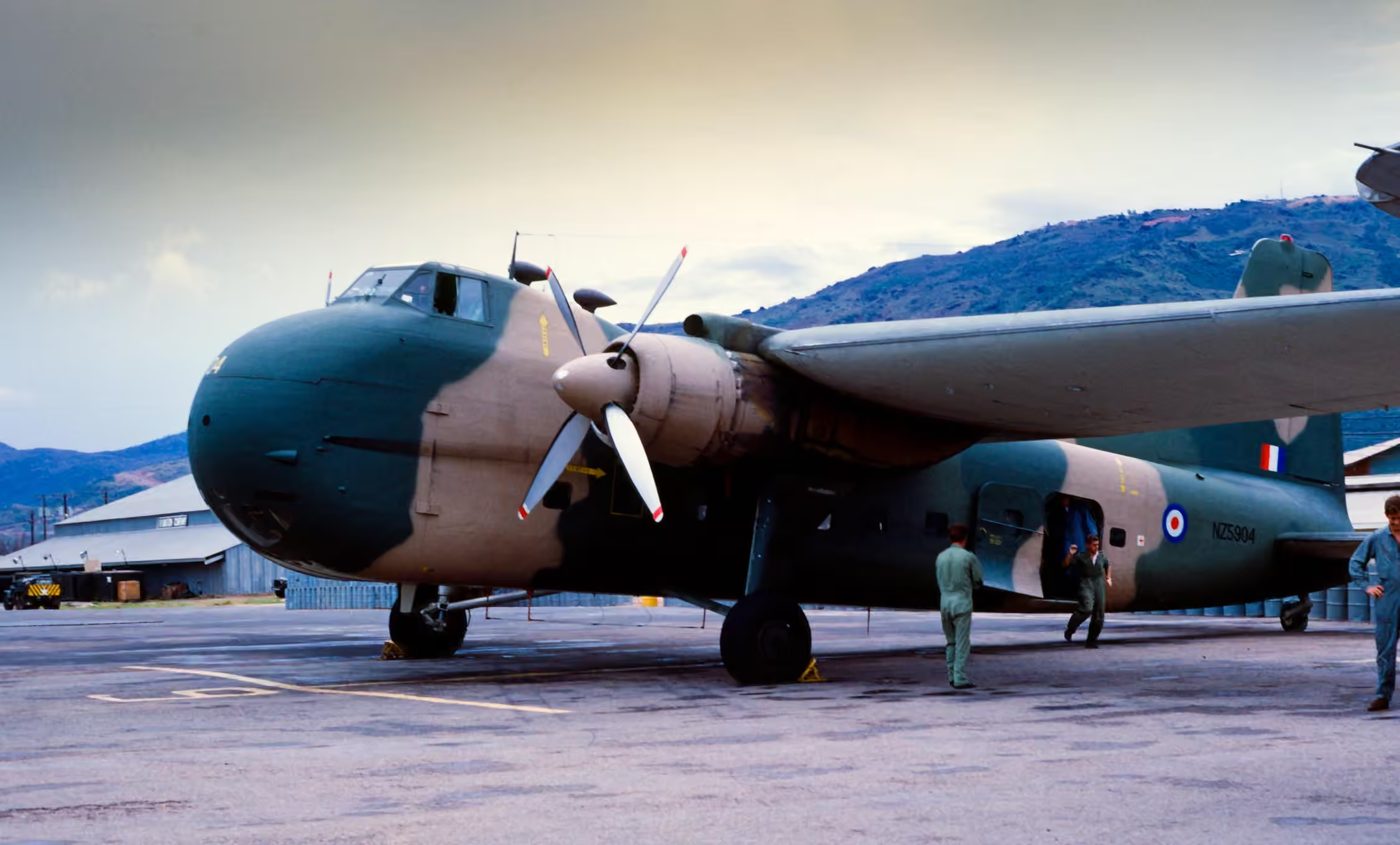
The war was followed from New Zealand homes as well as contested in public. Service families received limited information and support while relatives were overseas, and some wives avoided discussing their husbands’ deployments because of hostility towards the conflict.5 Withdrawal came in stages under ‘Vietnamisation’, the transfer of more responsibility to South Vietnamese forces. The first New Zealand Army training team arrived at Chi Lang in January 1971. Combat troops left Nui Dat and the services medical team left Bong Son before the year ended; the training teams and Saigon-based support staff followed in December 1972. The final RNZAF flight evacuated New Zealand’s ambassador in April 1975, the month South Vietnam fell.7
For most servicemen, homecoming followed an individual tour rather than the end of the war. The only official national homecoming parade during the conflict was held in Auckland in 1971 for 161 Battery and the New Zealand SAS troop, and anti-war demonstrators briefly disrupted its reception. Many veterans remembered their own returns as disappointing or upsetting. A perceived lack of recognition helped prompt a veterans-organised parade in 1998, while the 2006 Memorandum of Understanding promised a support trust for veterans’ children, a national reunion, a welcome-home parade and a Crown apology. Recognition remained a concern decades after their return.7
In May 2008, the government publicly acknowledged that veterans had been treated unfairly on returning to New Zealand. On 25 May, Prime Minister Helen Clark announced that an apology would be made in Parliament on 28 May to recognise their service and sacrifices, and those of their families. The announcement placed it ahead of Tribute 08, a commemorative weekend in Wellington organised largely by veterans with assistance from the New Zealand Defence Force. A civic welcome in Civic Square formed part of the opening events. The apology and commemoration gave national recognition to people whose service had been overshadowed by the controversy surrounding the war.8
In Marlborough, remembrance of Vietnam service forms part of the public life of Seymour Square. The Blenheim clock tower, unveiled in 1928 for the region’s First World War dead, now recognises men and women who served overseas in later conflicts, including Vietnam. The neighbouring fountain, unveiled in 1953, commemorates Second World War service. Together they belong to a wider regional network of memorials, rolls of honour and memorial halls.9 Woodbourne and Seymour Square give the Vietnam era different local settings: one associated with protest over the American military presence, the other with commemoration of overseas service. Both connect Marlborough with the national history of a distant and deeply contested war.69