



Significant Historic Places
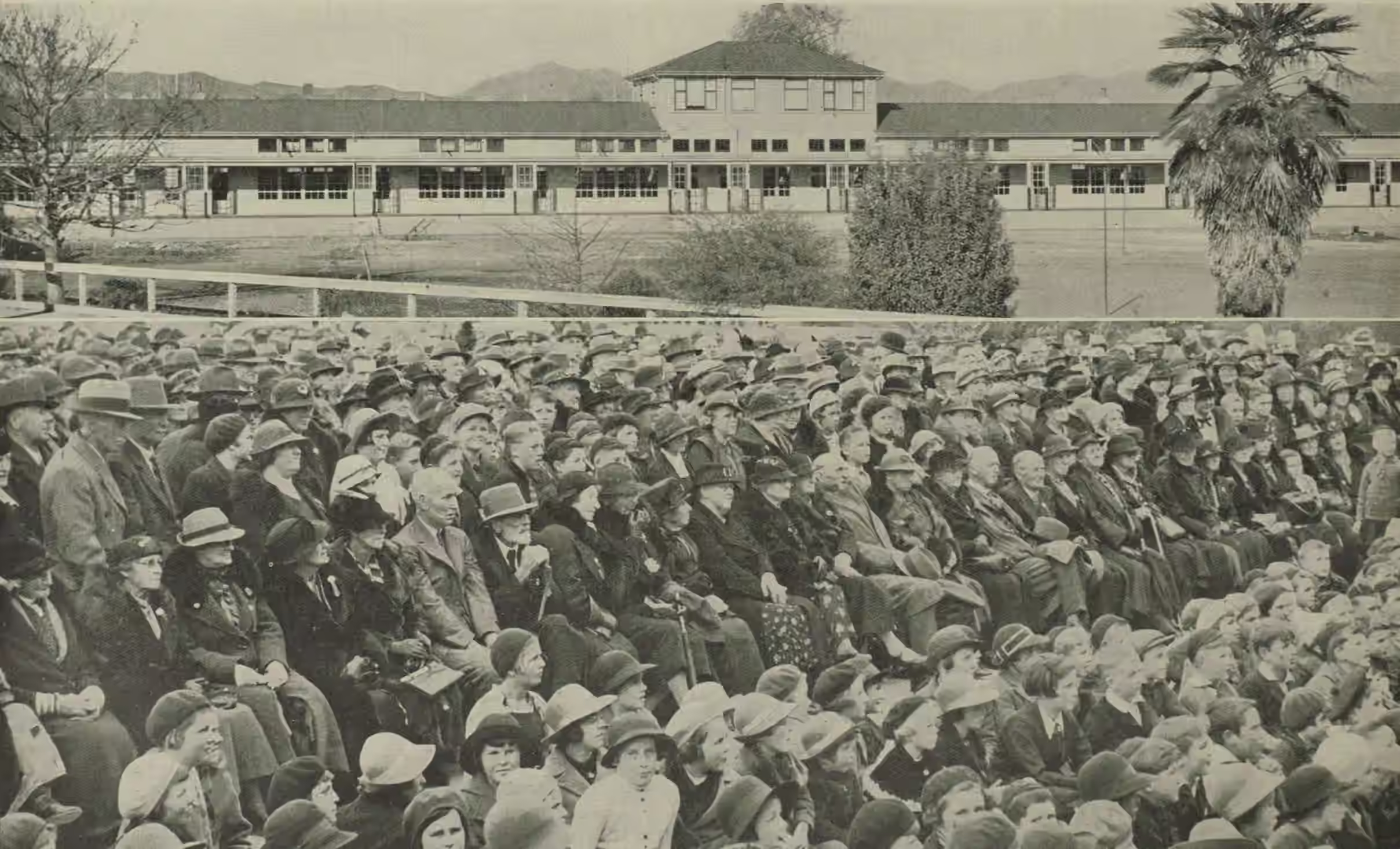 Blenheim SchoolEstablished in the late 1850s or early 1860s, the original Blenheim School site represents the beginnings of formal public education in the growing township. These early schools were foundational to community development, providing education for the children of Marlborough's pioneering families.
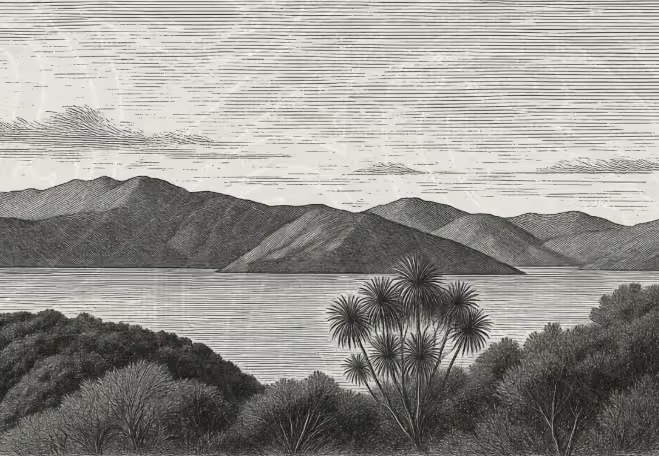 Karaka Point Historic ReserveLocated near Picton, this reserve includes the site of a significant pre-European Māori pā. Te Rae-o-Te-Karaka was a fortified settlement strategically positioned to control access and resources within Tōtaranui / Queen Charlotte Sound, reflecting centuries of Māori occupation.
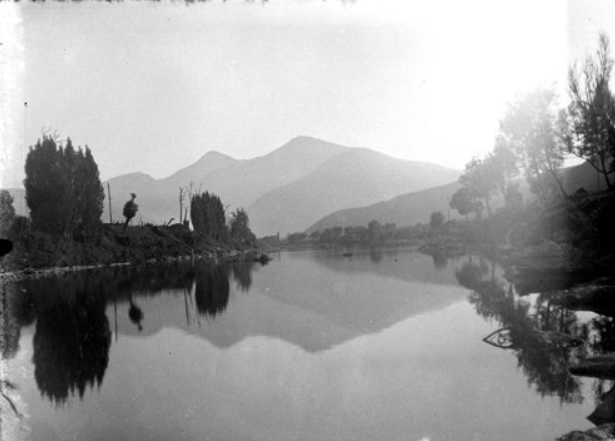 Pelorus Bridge Scenic ReserveFamous for its picturesque suspension bridge over the Pelorus River, this site has historical significance as an early river crossing point. The reserve also protects a rare and valuable remnant of ancient podocarp forest that once covered much of the Pelorus valley, offering insights into the region's original ecosystem.
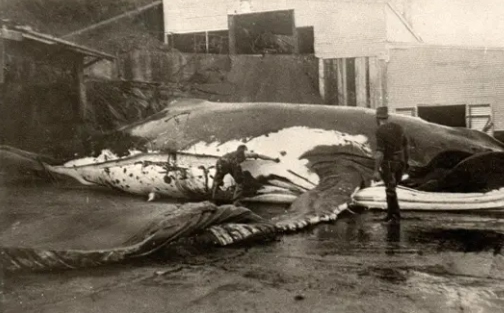 Perano Whaling StationSituated in the Tory Channel, this was the last shore-based whaling station to operate in New Zealand, closing in 1964. The remains of the station, including slipways and processing areas, are a poignant reminder of the once-thriving but controversial whaling industry in the Marlborough Sounds.
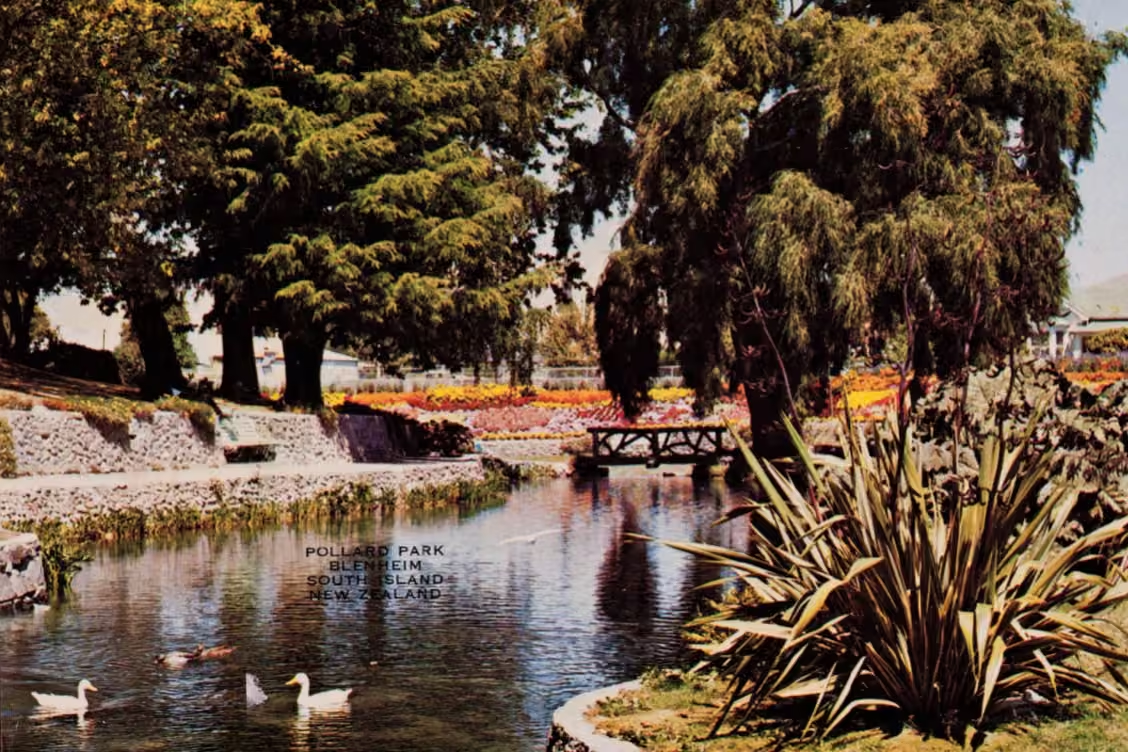 Pollard ParkOriginally part of the Starborough pastoral run, this land was gifted to Blenheim by the Pollard family and developed from the early 1900s into a major public park. It features extensive gardens, walkways, and recreational facilities, representing a significant community asset and an example of early town planning.
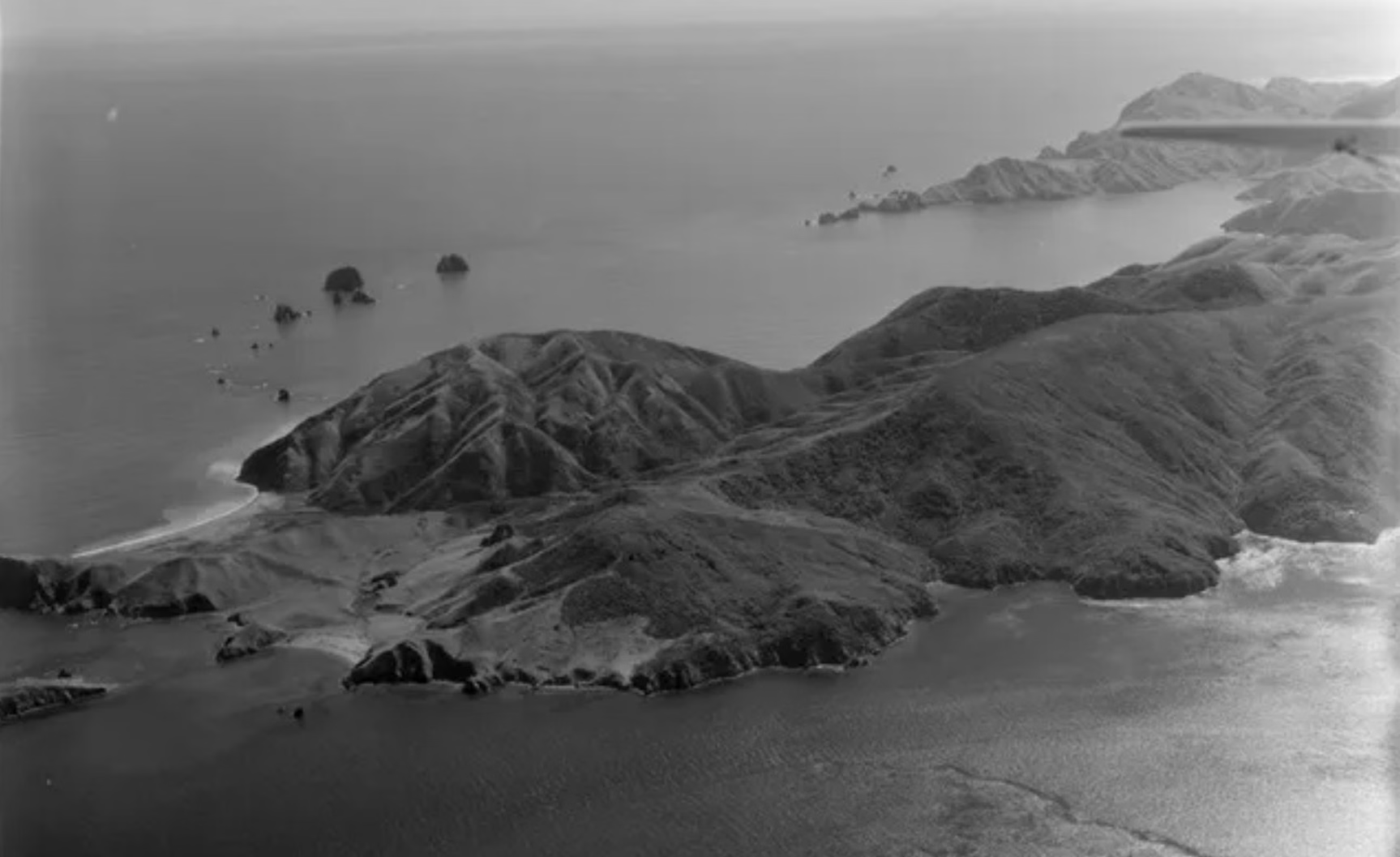 Rangitoto ki te Tonga / D'Urville IslandThis large island at the northern end of the Marlborough Sounds has a deep and rich Māori history, being a significant area for argillite quarrying used for tools and weapons. It was also a site of early European contact, notably by French explorer Dumont d'Urville who named it.
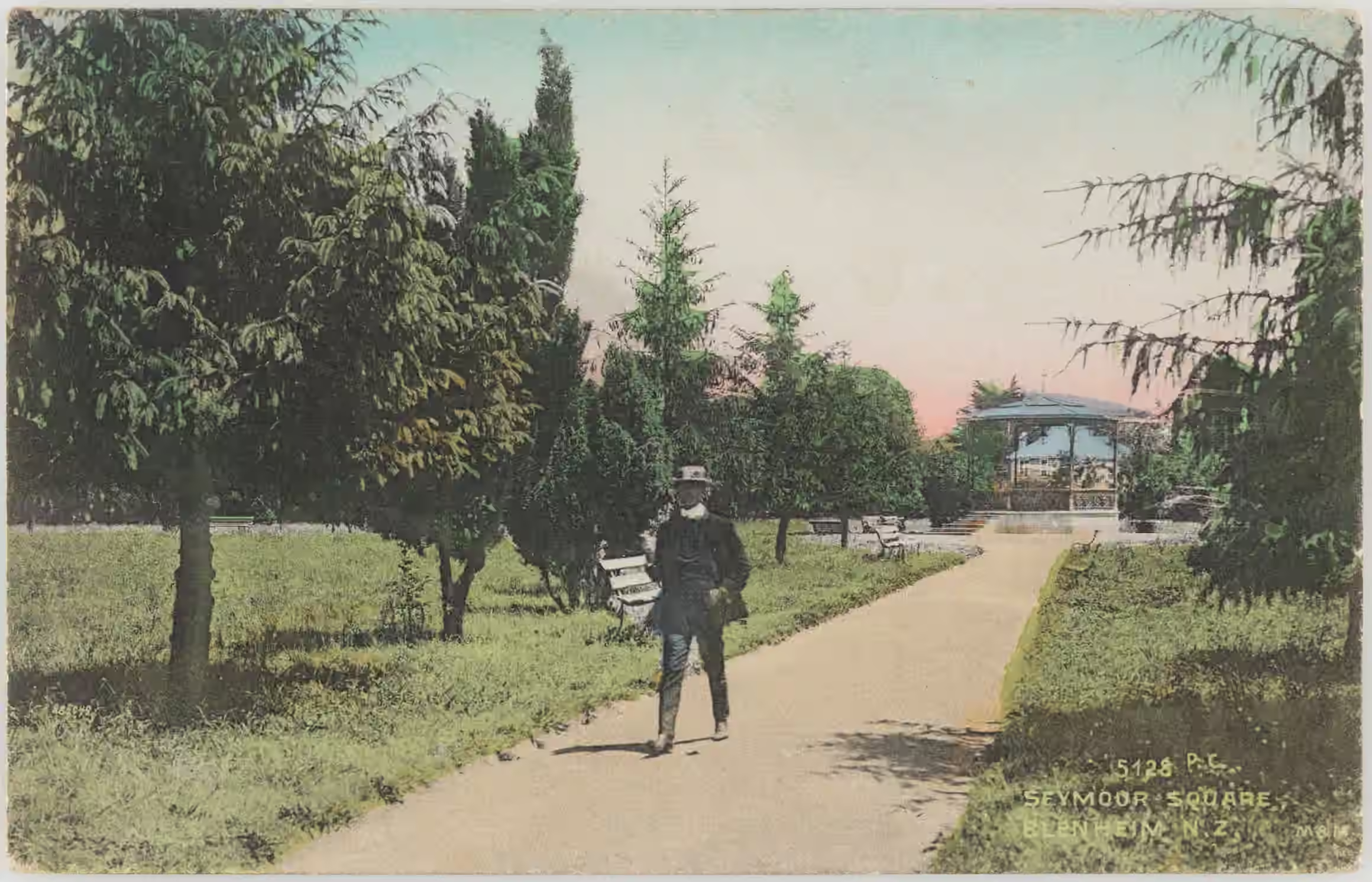 Seymour SquareEstablished in 1857 as a central public space in Blenheim, Seymour Square is named after early landowner Henry Seymour. It has long been a focal point for community gatherings and features the prominent Marlborough War Memorial and Clock Tower, unveiled in 1928."
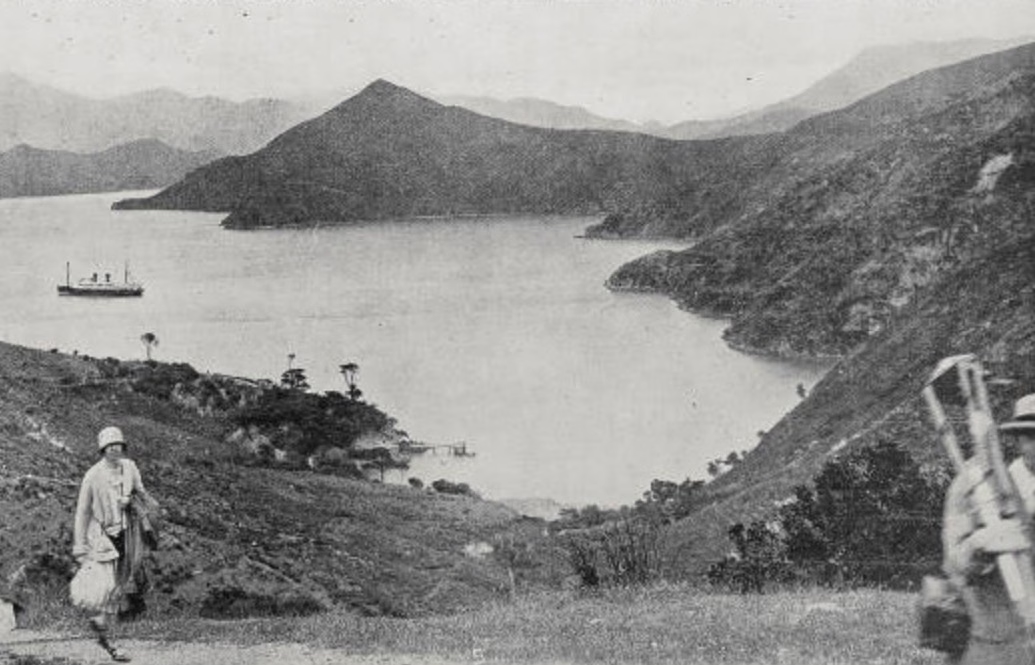 Ship CoveLocated in Queen Charlotte Sound, Meretoto / Ship Cove holds immense historical significance as Captain James Cook's primary New Zealand base during his voyages in the 1770s. It was here that extensive interaction between Europeans and Māori occurred, and crucial scientific and cartographic work was undertaken.
- Image soughtLearn moreVercoe's Flax Mill RemainsThe foundations and remnants of an 1890s flax mill near Grovetown represent the once-thriving Phormium tenax flax industry in Marlborough. This industry was a major economic contributor, producing fibre for rope and textiles, and sites like Vercoe's illustrate this important aspect of the region's industrial past.
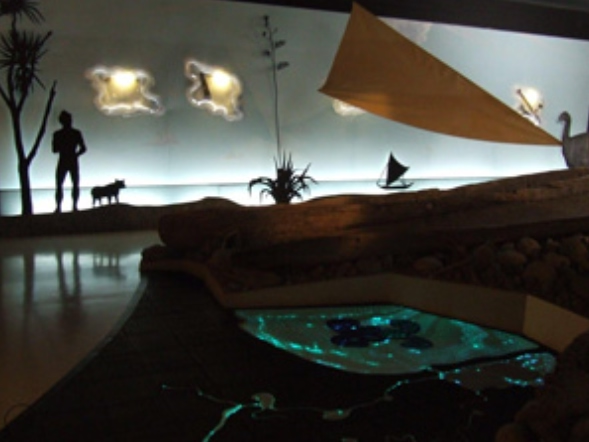 Wairau BarAn internationally significant archaeological site at the mouth of the Wairau River, Te Pokohiwi o Kupe / Wairau Bar is one of New Zealand's earliest and most important settlement sites. Dating back over 800 years, it has yielded crucial insights into the lives of the first Polynesian settlers, including their diet, tools, and burial practices.
Copyright, Disclaimers, and Acknowledgements
Blenheim School thumbnail: Photo: Auckland Weekly News / Auckland Libraries Heritage Collections AWNS-19370908-47-02. Published in the supplement to the Auckland Weekly News, 8 September 1937, p.47.
Karaka Point Historic Reserve thumbnail: Composite using “Karaka Point walk” by Lise Boursier / Getty Images and “Chalkboard - Maori Kowhaiwhai” by LazingBee / Getty Images Signature, both licensed via Canva. A sketch filter was applied to the photograph.
Pelorus Bridge Scenic Reserve thumbnail: Photographer unknown / Auckland Libraries Heritage Collections 879-43.
Perano Whaling Station thumbnail: Photo: Auckland Weekly News / Auckland Libraries Heritage Collections AWNS-19390719-48-01. Cropped from “Present-day cook strait whaling: up-to-date methods speed up New Zealand's oldest industry”. Published in the supplement to the Auckland Weekly News, 19 July 1939, p.48.
Pollard Park thumbnail: Photo: Gordon Bruce Scott, G. B. Scott Souvenirs Limited / Auckland Libraries Heritage Collections 996-0836.
Rangitoto ki te Tonga / D'Urville Island thumbnail: Photo: Whites Aviation / National Library of New Zealand, WA-47697-F. Cropped from the original. Licensed under CC BY 4.0.
Seymour Square thumbnail: Muir & Moodie / Te Papa Collections Online, PS.002190/02.
Ship Cove thumbnail: Auckland Weekly News; W H Raine; S C Smith / Auckland Libraries Heritage Collections AWNS-19260121-35-01. Cropped from a larger montage. Published in the supplement to the Auckland Weekly News, 21 January 1926, p.35.
Wairau Bar thumbnail: Photograph by Leslie Adkin, dated between 24 March and 13 April 1959. Museum of New Zealand Te Papa Tongarewa, Te Papa Collections Online, via DigitalNZ.
While every effort is made to maintain accurate and up-to-date citations, Tracing Marlborough/Goodwin & Associates accepts no responsibility for content changes, modifications, or removals on external third-party sources. If you identify inaccurate details, missing context, or information requiring correction, please contact us. Goodwin & Associates asserts no ownership or proprietary rights over any third-party image, video, or media assets utilised within the editorial content of this page, excluding the company's proprietary website logos, marks, and branding. Any exceptions to this policy will be clearly identified via explicit copyright notices, footnotes, or disclaimers on the relevant page. Because a mix of public domain and protected material exists across our archives, please verify rights independently before reusing any image or asset. Additional details are available in our Terms and Conditions.